St. Cloud Environmental Consultants: Professional Sustainability Consulting
Sustainable Solutions: Expert Environmental Consulting for Your Business
Green alternatives hold a critical place in modern business industry. Skilled sustainability consulting furnishes companies with the opportunity to boost performance while lowering their carbon footprint. By tackling environmental footprints and regulatory requirements, specialists assist businesses in embracing green initiatives. This evolution supports not only the environment but also corresponds to the ethics of sustainability-focused buyers. The journey toward becoming sustainable, yet, is multifaceted and requires thorough review of multiple considerations. What steps could businesses adopt to initiate this change?
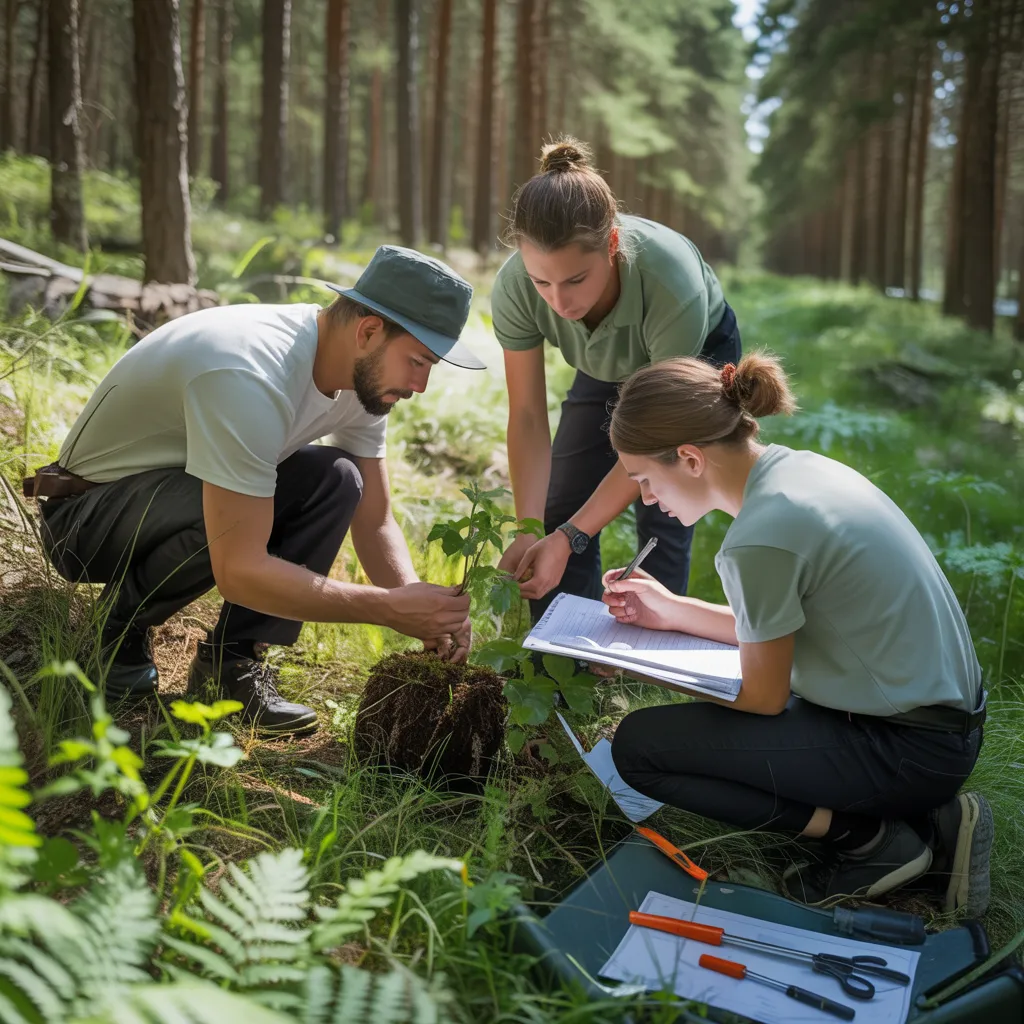
Understanding Environmental Advisory Services and Its Benefits
Recognizing green business guidance is paramount for institutions attempting to incorporate environmentally sound practices. This branch involves authoritative guidance on environmental regulations, sustainability frameworks, and resource management. Sustainability professionals scrutinize a company's undertakings to spot areas of potential improvement, ensuring compliance with environmental laws and constraining environmental harm.
The advantages of hiring environmental consultants are significant. They provide tailored solutions that enhance operational effectiveness, reduce waste, and decrease costs connected to resource consumption. By evaluating potential environmental concerns, consultants help businesses mitigate liabilities and boost public standing. Additionally, the adoption of sustainable practices often leads to innovation and competitive advantage in the marketplace.
During the long term, engaging with environmental consultants establishes a culture of sustainability within institutions, encouraging employees to incorporate environmentally responsible behaviors. Through their competence, businesses not only play a role in environmental conservation efforts but also position themselves as leaders in corporate responsibility, appealing to increasingly eco-conscious consumers.
Assessing Your Environmental Footprint
Determining a organization's environmental footprint involves locating significant impact areas and measuring resource usage rates. By analyzing these elements, businesses can pinpoint where betterment is needed. This process not only fosters sustainable practices but also elevates efficiency levels.
Establishing Crucial Effect Parameters
Many companies disregard the essential significance of recognizing key impact areas when evaluating their ecological impact. By determining particular elements of their activities that lead to environmental degradation, organizations can develop targeted strategies for enhancement. These impact areas often encompass energy consumption, waste production, water use, and emissions. Understanding these elements allows businesses to rank actions that yield the most substantial environmental benefits. In addition, engaging stakeholders in this recognition procedure cultivates a sustainable culture within the entity. By acknowledging and addressing these key critical zones, companies position themselves to enhance their overall ecological responsibility, reduce costs, and meet regulatory requirements. This forward-thinking strategy ultimately supports long-term ecological and economic viability.
Assessing Resource Consumption Rates
Once primary focus zones are identified, the next step involves measuring resource consumption rates to evaluate the company's ecological impact. This process demands an organized method to gather data on power, liquid, and material consumption across all operations. Employing tools such as energy audits, water assessments, and material flow analysis can offer understanding into usage trends. Organizations should also think about creating benchmarks to compare against sector benchmarks or previous results. By examining these metrics, businesses can identify waste areas and chances to decrease usage. Precise tracking not only helps in compliance with ecological laws but also enhances company environmental initiatives. This data-driven approach is crucial for making informed decisions that align with long-term environmental goals.
Important Areas for Eco-friendly Business Methods
Furthermore, organizations can allocate resources toward renewable energy solutions, including solar or wind, to decrease reliance on fossil fuels. Staff participation in sustainability efforts fosters a culture of responsibility, driving innovation and commitment to sustainable operations. Finally, transparent reporting on sustainability goals and progress reinforces stakeholder trust and demonstrates accountability. By integrating these core areas, organizations not simply aid to ecological conservation but also position themselves as leaders in corporate responsibility, attracting increasingly environmentally aware consumers.
Locating the Perfect Eco Professional for You
Choosing an environmental consultant requires a thorough comprehension of a business's specific needs and goals. Evaluating these specifications enables organizations to align with experts who possess the relevant expertise and experience. This strategic approach guarantees that organizations make informed choices for environmentally responsible options.
Determining Your Organization Priorities
When businesses recognize the importance of green practices, they often grapple with the challenge of discovering the most suitable environmental consultant to address their specific needs. This journey begins with a thorough appraisal of the institution's environmental goals, legal mandates, and existing practices. Companies should factor in their industry context, extent of operations, and unique difficulties, such as refuse handling or operational efficiency. Assembling multiple parties across the business can supply critical perspectives into the priorities and stakeholder expectations of the consulting engagement. Equally important, it is vital to define the service portfolio required, including but not limited to regulatory adherence, strategy development, or skill development. By specifically stating these needs, businesses can accelerate the selection process and assure a more productive working relationship with their designated consultant.
Evaluating Consultant Expertise
How can organizations guarantee they choose the appropriate environmental advisor? Assessing consultant proficiency requires several important elements. First, firms should evaluate the consultant's qualifications, including relevant certifications, education, and background in particular environmental domains. Subsequently, reviewing prior assignments and client feedback offers clarity into the consultant's performance and trustworthiness. Additionally, comprehending their methodology to sustainability initiatives—whether they emphasize novel solutions or regulatory adherence—is crucial. Interpersonal abilities also function a important part; a consultant must effectively communicate intricate data to diverse key players. In the end, take into account the consultant's resolve to continuous learning and maintaining awareness on environmental requirements and innovations. Via carefully reviewing these factors, organizations can reach well-considered choices and appoint a consultant best aligned to their unique requirements.
Build Your Individual Eco-Friendly Strategy
A well-crafted sustainability strategy has the ability to noticeably advance a corporate environmental impact and operational efficiency. This step commences with a thorough assessment of the business's current activities, pinpointing segments where optimizations can be made. Essential contributors should be involved in this analysis to ensure multiple perspectives are reviewed.
Next, clearly defined, quantifiable goals must be established. These objectives should align with the broader objectives of the organization while addressing environmental concerns such as waste reduction, energy efficiency, and resource conservation.
Furthermore, it is essential to incorporate innovative solutions tailored to the unique challenges of the industry. Collaborating with expert environmental consultants can deliver valuable insights into best practices and advanced innovations.
In conclusion, a structured communication framework can advance a sustainability culture within the organization, confirming that all employees grasp their functions in reaching these goals. This all-encompassing method ultimately establishes the business as a leader in environmental responsibility.
Establishing Sustainable Strategies Effectively
Effective deployment of green practices necessitates a strategic approach that prioritizes transparent goals and direction. Businesses must first establish clear objectives, identifying particular environmental commitments in line with their overall mission. This entails engaging stakeholders, such as employees and suppliers, to foster a culture of sustainability throughout the organization.
Next, enterprises should manage budgets efficiently, guaranteeing that the necessary equipment, instruction, and digital solutions are in place to facilitate eco-friendly initiatives. Regular communication is crucial, as it keeps all parties informed and engaged.
Moreover, incorporating sustainability into current workflows can helpful tips boost productivity and reduce opposition to transformation. By launching test programs, businesses can assess feasibility and refine approaches before full-scale implementation.
In the final analysis, a devoted leadership team, united with lucid procedures and ongoing engagement, can greatly strengthen the effectiveness of sustainable solutions, contributing to long-term benefits for both the organization and the ecological system.
Following Your Sustainability Initiatives
What techniques can businesses use to document their sustainability development proficiently? Companies can employ a assortment of tools and benchmarks to calculate their environmental impact and advancements. One standard tactic is the embrace of key performance indicators that emphasize on energy consumption rates, waste elimination, and carbon footprint. By establishing clear milestones, firms can review their enhancements over time.
Moreover, technology platforms that monitor consumption of resources and emissions can provide real-time data, promoting more informed decision-making. Ongoing compliance audits remain crucial, enabling businesses to identify areas for enhancement and guarantee alignment with green standards.
Bringing stakeholders within feedback channels and survey processes can considerably improve the tracking process, encouraging a culture of accountability and continuous improvement. Ultimately, a comprehensive strategy to tracking sustainability progress facilitates businesses to execute strategic refinements and reveal their commitment to environmental stewardship.
Frequently Inquired Questions
What Is the Typical Cost of Environmental Consulting for Enterprises?
Advisory costs for environmental work provided to businesses typically range between $100 to $300 per hour, contingent upon the firm's expertise and project scope. Fixed fees for engagements can also be offered, varying according to the particular services and length.
Which Certifications Should I Search for in an Environmental Professional?
In selecting an environmental consultant, prospective clients should seek credentials such as Certified Environmental Professional (CEP), ISO 14001, or LEED accreditation, as these indicate expertise and commitment to sustainable practices within environmental management.
Are Small Businesses Positioned to Gain From Environmental Advisory Services?
Yes, small business operations can significantly benefit from environmental consulting services. These professional offerings help streamline resource utilization, decrease waste, strengthen compliance with regulations, and enhance sustainability efforts, eventually providing cost savings and a stronger public image.
How Frequently Should I Revise My Sustainability Strategy?
Refreshing a sustainability strategy should happen per year or biennial basis, determined by industry changes and organizational growth. Systematic reviews validate coordination with new compliance frameworks, partner requirements, and technological advancements, advancing continuous improvement and superior green outcomes.
What Industries Benefit the Greatest From Environmental Expert Advice?
Industries like manufacturing, construction, energy, and agriculture benefit substantially from environmental expert guidance. These sectors regularly confront regulatory challenges, resource allocation problems, and sustainability targets that necessitate expert guidance to enhance their environmental standards and compliance.